Are prior authorization delays slowing down your eClinicalWorks workflow and patient care decisions?
Prior authorization delays in eClinicalWorks continue to create major bottlenecks in healthcare operations in 2026. Recent industry data shows prior authorization denial rates increased by 31% year-over-year, while PA requests now account for nearly 34% of all first-pass claim denials. Healthcare organizations also report that physicians and staff spend an average of 13–16 hours per week managing prior authorization tasks, which directly slows down patient care and reimbursement cycles.
This topic is important for healthcare providers, medical billers, coders, and EHR administrators because prior authorization delays affect both clinical workflow and revenue flow. Studies in 2026 show that about 27% of patients wait more than one week for insurance decisions, and more than 1 in 3 cases experience treatment delays due to pending approvals. Within systems like eClinicalWorks, these delays often result from missing documentation, workflow misrouting, or incomplete insurance verification.
This blog explains how to reduce prior authorization delays in eClinicalWorks using structured workflow practices and role-based responsibilities. It highlights where delays occur inside the system, how teams can reduce turnaround time, and what operational changes improve approval rates.
Overview of Prior Authorization Delays in eClinicalWorks
Prior authorization delays in eClinicalWorks affect clinical decisions, billing cycles, and insurance approvals. These delays usually come from missing clinical data, incorrect insurance details, or workflow gaps inside the system. In 2026, prior authorization remains a major cause of delayed reimbursements, with administrative inefficiencies contributing to higher denial rates across outpatient and specialty practices.
This section explains how to reduce prior authorization delays in eClinicalWorks by identifying how breakdowns occur in the workflow. It also outlines how system-level issues, documentation errors, and payer rules create delays in approval cycles.
What does prior authorization mean in eClinicalWorks
Prior authorization in eClinicalWorks refers to the insurance approval process required before a healthcare service, procedure, or medication is provided. It ensures that the payer reviews medical necessity and confirms coverage based on policy rules.
In eClinicalWorks, this process is linked with clinical documentation, coding data, and insurance eligibility checks. Requests are created inside the system and sent to payers for approval before services are performed.
It acts as a control point between providers and insurance companies. Any missing data, incorrect codes, or incomplete documentation can delay approval and interrupt the billing workflow.
Common delay points in the workflow
Prior authorization delays in eClinicalWorks usually occur at specific workflow stages. These delays are often predictable and repeat due to system or process issues.
Common delay points include:
- Missing patient insurance eligibility verification
- Incomplete clinical documentation from providers
- Incorrect CPT or ICD-10 code selection
- Requests not assigned to the correct eClinicalWorks queue
- Delayed follow-up on pending payer responses
Impact on the billing and reimbursement cycle
Prior authorization delays directly affect revenue cycle performance and claim processing timelines. When approvals are delayed, procedures may be postponed or denied, leading to financial disruption.
Key impacts include:
- Delayed claim submission and payment cycles
- Increased administrative rework for billing teams
- Higher risk of claim denials due to expired authorizations
- Disruption in patient scheduling and care delivery
- Increased workload for revenue cycle teams
Key Causes of Prior Authorization Delays in eClinicalWorks
Prior authorization delays in eClinicalWorks are usually caused by process gaps, missing clinical data, and workflow misalignment between clinical and billing teams. These issues are consistent across outpatient clinics and specialty practices in 2026. Understanding the root causes is essential to reduce approval and improve insurance time.
This section explains how to reduce prior authorization delays in eClinicalWorks by identifying core operational and system-level causes. It focuses on documentation issues, workflow errors, and payer-related restrictions that affect approval timelines.
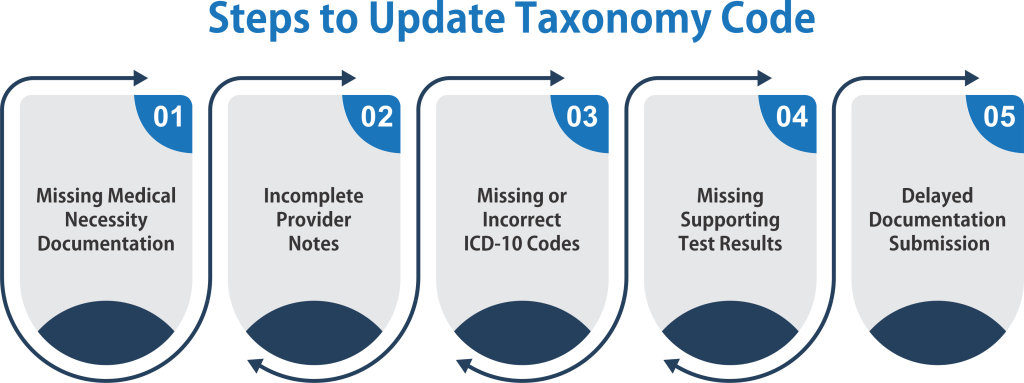
Documentation gaps and missing clinical data
Incomplete or inaccurate documentation is one of the most common reasons for prior authorization delays in eClinicalWorks. Insurance companies require complete clinical justification before issuing clearance.
Key issues include:
1. Missing medical necessity documentation
2. Incomplete progress notes from providers
3. Incorrect or missing ICD-10 diagnosis codes
4. Lack of supporting test results or reports
5. Delayed documentation submission after the visit
Workflow routing and queue issues in eCW
The internal workflow options in eClinicalWorks can have a direct impact on authorization delays. If tasks are not correctly routed, requests can become stuck in queues before being processed on time.
Common workflow issues include:
1. Authorization requests not assigned to the correct user queue
2. Backlogs in pending task lists
3. Lack of priority tagging for urgent cases
4. Missed follow-up tasks due to manual tracking
5. Delayed internal handoffs between departments
Insurance eligibility and payer mismatch issues
Insurance-related data errors are another major cause of delays in prior authorization processing. Even small mismatches in patient information can trigger rejections or delays.
Key problems include:
1. Outdated or incorrect insurance policy details
2. Failure to verify eligibility before submission
3. Payer-specific authorization rule changes not updated
4. Missing prior coverage or coordination of benefits data
5. Incorrect member ID or group number entries
eClinicalWorks Prior Authorization Workflow and Delay Points
Prior authorization in eClinicalWorks follows a structured workflow that connects patient intake, clinical documentation, insurance verification, and payer submission. Delays occur when any stage in this workflow has missing data, incorrect coding, or delayed task completion. These disruptions affect both clinical scheduling and billing timelines.
This section explains how to reduce prior authorization delays in eClinicalWorks by mapping the workflow steps and identifying where breakdowns commonly occur. It focuses on request creation, documentation handling, and payer response tracking inside the system.
Request creation and data entry stage
The first stage of the prior authorization workflow begins when a service or procedure requires insurance approval. Accurate data entry at this point is critical for avoiding downstream delays.
Key delay points include:
1. Incomplete patient demographic details
2. Incorrect insurance policy selection
3. Missing CPT or procedure code entry
4. Failure to attach required clinical notes at intake
5. Delayed initiation of the authorization request after order entry
Documentation attachment and submission stage
Following the drafting of the request, all supporting papers must be attached and submitted to the payer. This phase is critical to proving medical need and assessing approval eligibility.
Common issues include:
1. Missing clinical notes or diagnostic reports
2. Incorrect file formats or incomplete attachments
3. Failure to include payer-specific forms
4. Delayed submission after documentation completion
5. Manual errors during attachment linking in eClinicalWorks
Payer response and follow-up stage
Once submitted, the payer reviews the request and issues approval, denial, or a request for additional information. Delays often occur when follow-up processes are not actively managed.
Key delay points include:
1. Lack of tracking for pending authorization requests
2. Missed payer communication updates
3. Delayed response to additional information requests
4. No structured follow-up schedule within eClinicalWorks
5. Requests remaining in pending status without escalation
Practical Steps to Reduce Prior Authorization Delays in eClinicalWorks
Prior authorization delays in eClinicalWorks can be reduced by improving documentation accuracy, strengthening workflow control, and standardizing verification and follow-up processes. Most delays are not system failures but result from inconsistent task handling and missing operational steps.
This section explains how to reduce prior authorization delays in eClinicalWorks through practical, workflow-based actions. It focuses on reducing rework, improving submission accuracy, and ensuring timely payer communication.
Standardize documentation templates
Standardized documentation templates reduce variation in clinical notes and ensure required information is captured at the point of care. This helps reduce missing data issues that often delay prior authorization in eClinicalWorks. It also improves consistency across providers and departments.
Structured templates should include ICD-10 codes, CPT fields, and medical necessity sections. When documentation is uniform, payers can review requests faster with fewer rework cycles. This directly supports faster approval timelines and fewer rejections.
Improve the insurance verification process
Insurance verification helps to ensure coverage eligibility before submitting prior authorization requests. When verification is incomplete or delayed, authorization requests often get rejected or placed on hold. This creates unnecessary back-and-forth between billing teams and payers.
Verifying eligibility at the time of scheduling reduces errors in payer selection and policy details. Updating insurance data regularly ensures accuracy across eClinicalWorks records. This step reduces avoidable delays in the authorization workflow.
Improve the tracking and follow-up process
A structured tracking system ensures that all pending prior authorization requests are actively monitored. Without follow-up, requests may remain in pending status for extended periods. This increases turnaround time and affects billing cycles.
Assigning responsibility for follow-ups improves accountability within the workflow. Regular review of pending cases helps identify delays early and supports faster escalation. This improves overall efficiency in prior authorization management within eClinicalWorks.
Role-Based Responsibilities to Reduce Delays
Prior authorization delays in eClinicalWorks are often linked to unclear task ownership between clinical, billing, and administrative teams. When responsibilities are not clearly defined, requests stay pending, documentation gets missed, and payer follow-ups are delayed. This directly affects reimbursement timelines and patient care schedules.
Healthcare providers and documentation accuracy
Providers play a key role in ensuring that clinical documentation supports medical necessity. Incomplete or unclear notes are one of the leading causes of prior authorization rework.
Key responsibilities:
- Document complete and accurate clinical findings
- Select correct diagnosis codes (ICD-10)
- Justify medical necessity clearly in notes
- Complete documentation promptly after patient visits
- Respond quickly to requests for additional clinical information
Medical billers and coders (CPC, CCS, CIC)
Billing and coding teams ensure that submitted authorization requests match payer requirements. Coding errors are a frequent reason for delays and denials.
Key responsibilities:
- Assign correct CPT and ICD-10 codes
- Verify payer-specific authorization rules
- Review documentation before submission
- Submit authorization requests accurately in eClinicalWorks
- Track and correct rejected or pending requests using effective medical billing services workflows
EHR administrators and IT teams
EHR administrators ensure that eClinicalWorks workflows are configured correctly. System setup errors can cause routing delays and missed tasks.
Key responsibilities:
- Configure authorization workflows and task routing
- Set up queues for pending and urgent requests
- Maintain system templates for documentation
- Ensure proper user access and role assignment
- Support workflow updates based on payer changes
Front desk and patient access staff
Front desk teams are responsible for accurate patient intake and insurance verification. Early-stage errors often lead to downstream authorization delays.
Key responsibilities:
- Collect and verify insurance details at registration
- Check eligibility before appointment scheduling
- Update patient demographic and payer information
- Identify prior authorization requirements early
- Communicate documentation needs to clinical teams
Conclusion
Prior authorization delays in eClinicalWorks are mainly driven by documentation gaps, workflow misrouting, and weak insurance verification processes. Most of these issues can be controlled through structured workflows and clear role assignments across clinical and administrative teams. A consistent process reduces rework and improves approval timelines.
Improving documentation quality, strengthening queue management, and ensuring timely follow-ups can significantly reduce prior authorization delays in eClinicalWorks. When each team follows defined responsibilities, the overall revenue cycle becomes more stable and predictable. Organizations that need additional support can also benefit from specialized revenue cycle management services to streamline authorization and reimbursement workflows.
FAQs
What are the main causes of prior authorization delays in eClinicalWorks?
Prior authorization delays in eClinicalWorks are usually caused by missing documentation, incorrect coding, and insurance eligibility errors. Workflow misrouting and delayed follow-ups also contribute to longer approval times.
How can documentation reduce prior authorization delays?
Complete and accurate documentation helps reduce prior authorization delays by ensuring payers receive all required clinical details. Using structured templates reduces missing information and improves approval speed.
Where do most delays occur in the eClinicalWorks workflow?
Most delays occur during request creation, documentation submission, and payer follow-up stages. Errors in insurance data or queue assignment can also pause the authorization process.
Who is responsible for reducing prior authorization delays in healthcare teams?
Providers, billers, coders, front desk staff, and EHR administrators all share responsibility. Each role contributes to accurate data entry, coding, verification, and workflow management in eClinicalWorks.
How does insurance verification impact prior authorization timelines?
Insurance verification ensures patient coverage details are correct before submission. Early verification reduces rework, prevents denials, and shortens prior authorization turnaround time.