Place of Service (POS) codes may look like simple two-digit numbers on a claim form, but for healthcare providers and billing teams, they carry significant financial and compliance weight. These codes tell Medicare exactly where a service was performed, and that single detail can determine reimbursement rates, audit risk, documentation requirements, and even provider compensation.
In today’s evolving regulatory landscape, especially with expanding telehealth services and facility-based billing models, incorrect POS reporting is one of the most common, and costly, mistakes practices make. From denied claims and payment delays to overpayment recoupments and compliance exposure, the impact is real and measurable.
Exploring the Place of Service Codes List for 2026 is not just about coding accuracy; it’s about protecting revenue, ensuring compliance, and optimizing the entire revenue cycle.
What Are Medicare Place of Service (POS) Codes?
Medicare Place of Service (POS) codes are standardized two-digit identifiers used on healthcare claims to indicate the exact location where a medical service was provided. These codes are published and maintained by the Centers for Medicare & Medicaid Services (CMS) and are required on all Medicare and most commercial insurance claims.
POS codes help payers understand the context of care delivery, whether the service occurred in a physician’s office, hospital, skilled nursing facility, patient’s home, or via telehealth. This information is essential for determining how the claim is processed, what compliance rules apply, and how reimbursement is calculated.
Key Functions of POS Codes
Place of Service codes serve several important roles in medical billing:
✔ Identify service location for claims processing
✔ Determine reimbursement methodology (facility vs. non-facility)
✔ Apply appropriate Medicare billing rules
✔ Validate documentation and compliance requirements
✔ Support accurate audit review and fraud prevention
Without the correct POS code, even accurately coded procedures can be denied, underpaid, or flagged for review.
Why POS Codes Matter in Medicare Billing?
POS coding is not merely a clerical step in claim submission, it plays a direct role in reimbursement accuracy, compliance exposure, and revenue cycle performance. In fact, POS errors remain one of the most preventable yet financially impactful billing issues affecting healthcare providers today.
1. Facility vs. Non-Facility Payment Differences
One of the most important functions of POS coding is distinguishing between facility and non-facility payment rates.
- POS 11 (Office) → Reimbursed at the non-facility rate (higher professional payment)
- POS 22 (Hospital Outpatient Department) → Reimbursed at the facility rate (lower professional payment)
When services are performed in a hospital outpatient setting, the hospital bills a separate facility fee to cover overhead costs such as staffing, equipment, and supplies. Because of this, the physician’s professional reimbursement is reduced.
Submitting the wrong POS code can result in underpayment or overpayments that must be refunded. Because the financial delta between POS 11 and POS 22 is so large, many practices partner with professional medical billing services to automate location-based scrubbing. This ensures that every claim is verified against the facility’s enrollment status before submission, protecting the practice from the “low-hanging fruit” errors that auditors target first.
2. Impact on RVUs and Provider Compensation
Place of Service coding directly affects Practice Expense Relative Value Units (RVUs), which influence:
- Physician productivity metrics
- Compensation models
- Revenue projections
- Financial planning
Incorrect facility designation can reduce practice expense RVUs and lead to inaccurate provider compensation calculations.
3. Telehealth Reimbursement Requirements
Telehealth billing rules have evolved significantly, and POS codes now play a critical role in determining reimbursement eligibility and processing.
Medicare requires the correct telehealth POS designation:
- POS 02: Telehealth provided when the patient is not at home
- POS 10: Telehealth provided when the patient is at home
These codes are often billed with Modifier 95 to indicate synchronous audio-video communication.
Incorrect telehealth POS usage is one of the leading causes of claim denials and payment delays.
4. Compliance & Audit Risk
POS codes trigger specific Medicare compliance requirements, including:
- Supervision rules
- Documentation standards
- Global surgery package logic
- Facility billing regulations
Because the location of service is easily verifiable through facility records and provider enrollment data, POS discrepancies are considered a high-risk audit category.
Mismatched POS coding can lead to:
- Payment adjustments
- Overpayment recoupments
- Expanded audits
- Increased scrutiny of future claims
Complete Place of Service Codes List 2026
The following Place of Service (POS) codes are commonly used in Medicare and commercial billing. These standardized two-digit codes identify where services were performed and help determine reimbursement methodology and compliance rules.
Below is a categorized list based on Centers for Medicare & Medicaid Services guidance.
Office & Out-of-Hospital Outpatient Settings
| POS Code | Setting | Billing Notes |
| 11 | Office | Non-facility rate (higher reimbursement) |
| 19 | Off-Campus Outpt Hospital | Facility-based services |
| 22 | On-Campus Outpt Hospital | Facility rate applies |
| 49 | Independent Clinic | May be provider-owned or operated |
| 50 | Federally Qualified Health Center (FQHC) | Special reimbursement rules |
Hospital & Acute Care Settings
| POS Code | Setting | Typical Use |
| 21 | Inpatient Hospital | Admission & inpatient care |
| 22 | Outpatient Hospital | Hospital outpatient department |
| 23 | Emergency Room | ER evaluation & treatment |
| 26 | Military Treatment Facility | Care in military hospitals |
Post-Acute & Long-Term Care Facilities
| POS Code | Setting | Important Notes |
| 31 | Skilled Nursing Facility (SNF) | May involve Part A consolidated billing |
| 32 | Nursing Facility | Custodial or long-term care |
| 33 | Custodial Care Facility | Non-skilled care setting |
| 34 | Hospice | End-of-life care services |
Residential & Community-Based Settings
| POS Code | Setting | Examples |
| 12 | Patient’s Home | Home visits & telehealth |
| 13 | Assisted Living Facility | Residential care support |
| 14 | Group Home | Behavioral & community living |
Telehealth POS Codes (Updated & Critical for 2026)
| POS Code | Description | When to Use |
| 02 | Telehealth other than patient’s home | Patient is located in facility |
| 10 | Telehealth in patient’s home | Patient is located at home |
Telehealth claims often require Modifier 95 to indicate real-time audio-video communication.
Transportation & Other Service Locations
| POS Code | Setting | Notes |
| 41 | Ambulance (Land) | Must match transport documentation |
| 42 | Ambulance (Air/Water) | Emergency or specialty transport |
| 53 | Community Mental Health Center | Behavioral health services |
| 99 | Other Place of Service | Use only when no other code applies |
Why Knowing the Full POS List Matters
Understanding the full POS list helps:
✔ Prevent claim denials
✔ Ensure accurate reimbursement
✔ Maintain compliance with CMS rules
✔ Reduce audit risk
✔ Improve billing efficiency
While dozens of POS codes exist, most billing errors stem from the misuse of a small group of high-impact codes.
Most Important POS Codes Explained
Although many POS codes exist, a handful account for the majority of billing activity and revenue discrepancies. Misuse of these codes is one of the most common causes of denials, audits, and reimbursement errors.
POS 11: Office
Setting: Physician-owned or leased office
Payment Type: Non-facility rate
POS 11 is used when services are provided in a provider’s private practice setting.
Key reimbursement implications:
- Full practice expense RVUs included
- Higher professional reimbursement
- No separate facility fee billed
Because POS 11 typically reimburses more than hospital-based settings, incorrect reporting can trigger overpayments and audit findings.
POS 22: Hospital Outpatient Department
Setting: Hospital outpatient department (HOPD)
Payment Type: Facility rate
When services occur in a hospital outpatient setting:
- The hospital bills a facility fee
- The physician receives reduced professional payment
- Practice expense RVUs are lower
Improper use of POS 11 instead of POS 22 is a frequent audit trigger due to the reimbursement difference.
POS 21: Inpatient Hospital
Used for services provided to admitted hospital patients, including:
- Initial hospital care
- Subsequent visits
- Inpatient consultations
The POS must align with the documented admission status. Billing inpatient CPT codes with an outpatient POS often leads to claim denial.
POS 31 vs POS 32: Critical Difference
These codes are often confused but have different billing implications.
POS 31: Skilled Nursing Facility (SNF)
- Medicare-certified facility
- May involve consolidated billing under Part A
- Certain services may be bundled
POS 32: Nursing Facility
- Custodial or long-term care setting
- Not subject to SNF consolidated billing rules
Misclassification can cause payment errors and compliance issues.
POS 02 vs POS 10: Telehealth Location Rules
Telehealth POS selection is based on where the patient is located, not the provider.
POS 02: Telehealth (Patient NOT at Home)
Use when the patient is located in:
- Hospital
- Clinic
- Skilled nursing facility
- Other healthcare settings
POS 10: Telehealth (Patient at Home)
Use when the patient receives telehealth services from their residence.
Why this matters:
- Reimbursement logic differs
- Modifiers may be required
- Compliance rules vary
- Documentation must support the location
Telehealth POS errors remain one of the fastest-growing denial categories.
CMS Telehealth POS Updates for 2026
Telehealth billing continues to evolve, and accurate Place of Service reporting is now one of the most critical requirements for compliant reimbursement. Under current guidance from the Centers for Medicare & Medicaid Services, telehealth POS coding must reflect the patient’s physical location at the time of the encounter, not the provider’s.
This distinction is frequently misunderstood and remains a leading cause of claim denials and post-payment audits.
POS 02 vs POS 10: Key Differences
Correct telehealth billing begins by identifying where the patient is located during the visit.
POS 02: Telehealth Provided Other Than in Patient’s Home
Use POS 02 when:
- The patient is located in a healthcare facility
- Examples include hospitals, clinics, dialysis centers, or skilled nursing facilities
- The provider delivers care remotely from a distant site
POS 10: Telehealth Provided in Patient’s Home
Use POS 10 when:
- The patient is located at their residence
- The provider delivers telehealth services remotely
Why Accurate Telehealth POS Reporting Matters
The POS selection can directly affect:
✔ reimbursement methodology
✔ facility vs non-facility payment logic
✔ telehealth eligibility rules
✔ audit risk exposure
✔ documentation requirements
From a revenue cycle perspective, misclassifying POS 02 and POS 10 is one of the most common telehealth billing errors.
When to Use Modifier 95?
Most Medicare telehealth services require Modifier 95, which indicates synchronous real-time audio and video communication.
Examples:
- POS 10 + Modifier 95
- POS 02 + Modifier 95
Modifier 95 does not replace POS reporting; it works in conjunction with the correct POS code. Failure to append the modifier when required may result in claim denial or delayed processing.
Telehealth Documentation Requirements
To support telehealth POS compliance, documentation should include:
✔ patient’s physical location
✔ provider’s distant site location
✔ technology used (audio/video)
✔ confirmation of real-time communication
Incomplete telehealth documentation increases audit vulnerability.
Facility vs Non-Facility Payment Differences in Medicare
Understanding the difference between facility and non-facility reimbursement is essential for accurate revenue forecasting, provider compensation planning, and audit protection.
Medicare pays providers differently depending on where services are performed.
What Is Non-Facility Reimbursement?
Applies to: POS 11 (Office) and similar settings
Payment Structure: Higher professional payment
Includes reimbursement for:
- Staff costs
- Supplies and equipment
- Overhead expenses
- Practice operations
Because the physician’s practice bears these costs, reimbursement is higher.
What Is Facility Reimbursement?
Applies to: POS 22, POS 19, POS 21, and other facility settings
Payment Structure: Lower professional payment
In facility settings:
- The hospital or facility bills a separate facility fee
- Overhead costs are covered by the facility
- Physician reimbursement is reduced
Example: POS 11 vs POS 22 Payment Difference
- POS 11 (Office) → higher reimbursement
- POS 22 (Hospital Outpatient) → lower professional payment
This difference exists because the hospital receives a separate payment for operational costs.
Financial Impact on Providers
Incorrect facility designation can result in:
- Underpayment for services
- Overpayments requiring refunds
- Distorted RVU-based compensation
- Inaccurate revenue projections
In some specialties, reimbursement differences between facility and non-facility settings can exceed 20–30%.
Compliance & Audit Considerations
POS discrepancies are easily verified through:
- Facility records
- Provider enrollment data
- Hospital billing submissions
If documentation indicates a hospital outpatient setting but the claim shows POS 11, auditors may flag the claim for review.
Potential consequences include:
- Payment adjustments
- Overpayment recoupments
- Expanded audits
- Increased scrutiny of future claims
Common POS Coding Mistakes (and How to Avoid Them)
Despite their importance, Place of Service errors remain one of the most frequent and preventable billing issues. Based on compliance reviews and revenue cycle audits, even small POS mistakes can result in denied claims, overpayments, or audit exposure.
Below are the most common errors practices make, and how to prevent them.
❌ Using POS 11 Instead of POS 22
This is the most frequent POS error in Medicare billing.
Services performed in a hospital outpatient department are sometimes incorrectly billed as:
- POS 11 (Office) instead of
- POS 22 (Outpatient Hospital)
Because POS 11 reimburses at the non-facility rate, this can result in overpayment and potential recoupments after audit review.
How to avoid it:
✔ verify whether the clinic is provider-based
✔ confirm facility billing status
✔ audit hospital-affiliated locations regularly
❌ Incorrect Telehealth POS Reporting
Telehealth errors have increased significantly in recent years.
Common issues include:
- Confusing POS 02 and POS 10
- Failing to document patient location
- Billing office POS for virtual visits
- Omitting Modifier 95 when required
How to avoid it:
✔ require patient location verification at check-in
✔ build telehealth-specific EMR templates
✔ train staff on telehealth workflows
❌ Documentation Mismatch
POS codes must align with the clinical documentation.
Common mismatches:
- Chart notes show hospital care, but claim reflects POS 11
- Telehealth visit billed without documenting patient location
- Inpatient codes billed with outpatient POS
During audits, facility status is easily verified, making discrepancies high risk.
How to avoid it:
✔ include facility name and setting in notes
✔ require location fields in documentation templates
✔ perform periodic chart audits
❌ Confusion Between POS 31 and POS 32
These codes are frequently misused.
- POS 31 → Medicare-certified Skilled Nursing Facility
- POS 32 → Custodial or long-term nursing facility
Using the wrong code can trigger payment errors and consolidated billing conflicts.
How to avoid it:
✔ Verify facility certification status
✔ Confirm whether the patient is under a Part A stay
❌ Facility Status Changes Not Updated
POS errors often occur when:
- A clinic becomes hospital-owned
- A location transitions to provider-based status
- New satellite locations open
- Enrollment records are not updated
How to avoid it:
✔ Review provider enrollment records annually
✔ Coordinate billing updates with operational changes
✔ Conduct compliance reviews after acquisitions or expansions
Impact of POS Errors
Even a small POS error rate can cause:
- Claim denials and rework
- Delayed reimbursements
- Increased accounts receivable days
- Overpayment refund obligations
- Audit scrutiny
Improving POS accuracy is one of the fastest ways to stabilize cash flow and reduce compliance risk.
How POS Codes Interact With Modifiers?
Place of Service codes do not function independently. For accurate reimbursement, the POS code must align with:
- CPT/HCPCS procedure codes
- Modifiers
- Documentation
- Provider enrollment status
When these elements conflict, claims may be denied, underpaid, or flagged for compliance review.
Modifier 26 vs Modifier TC
Many diagnostic services contain two components:
- Professional component (interpretation)
- Technical component (equipment & staff)
Modifier 26: Professional Component
Used when billing only the physician’s interpretation.
Example:
A physician interprets an ECG performed in a hospital.
The hospital bills the technical portion.
The physician bills with Modifier 26.
Modifier TC: Technical Component
Used when billing only the technical portion of a service.
Example:
An imaging center performs a diagnostic test.
Another provider interprets the results.
The imaging center bills with Modifier TC.
Why POS Alignment Matters?
Correct modifier usage often depends on where the service occurred.
For example:
- In facility settings, the technical component is usually billed by the hospital, while the physician bills the professional component. This “split-billing” is a major compliance trap in diagnostic imaging. Utilizing specialized radiology billing services is often the best way to manage this, as they have the expertise to ensure the POS code perfectly aligns with the -26 or -TC modifiers, preventing the “duplicate billing” flags that often delay imaging reimbursements.
- In office settings, the physician may bill both components.
Incorrect POS + modifier combinations can result in payment errors.
Global Surgery Package Considerations
POS codes also interact with Medicare’s global surgery rules.
Under global surgery policies:
- Certain pre-op and post-op services are bundled
- Payment allocation depends on surgical setting
- Facility vs non-facility designation affects reimbursement
If the surgical setting is misclassified, the claim may incorrectly generate payment or trigger audit review.
Best Practices for Modifier & POS Accuracy
✔ Verify service location before assigning modifiers
✔ Confirm whether the facility bills the technical component
✔ Ensure documentation supports interpretation services
✔ Educate providers on global period billing rules
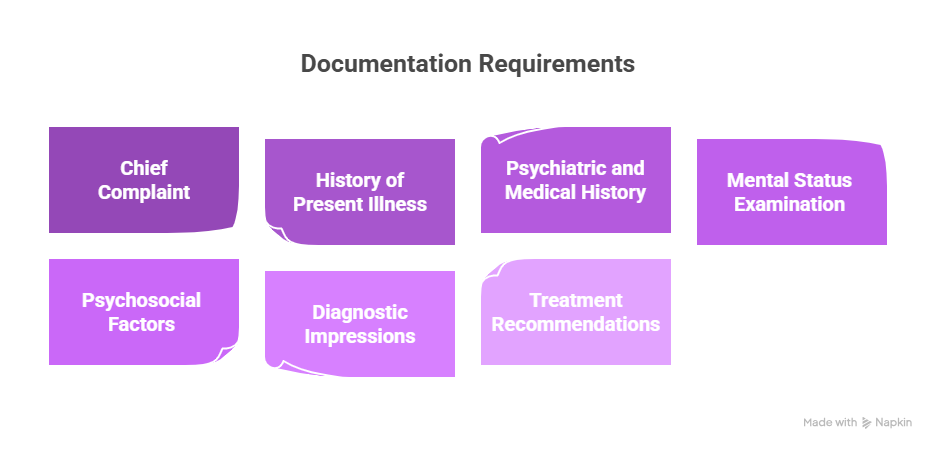
Documentation Requirements for POS Accuracy
Accurate Place of Service coding begins with clear, complete, and consistent documentation. In many compliance reviews, POS-related denials and overpayment findings can be traced back to documentation gaps rather than coding mistakes.
To support compliant Medicare billing in 2026, practices should follow these documentation standards.
Clearly Indicate the Service Location
The medical record must explicitly state where the patient was physically located at the time of service.
This is especially important for:
- Hospital outpatient encounters
- Telehealth visits
- Skilled nursing facility services
- Providers practicing in multiple locations
Instead of vague notes such as “seen today for follow-up,” documentation should include:
✔ facility name (if applicable)
✔ department or care setting
✔ patient location for telehealth encounters
Ambiguous documentation increases audit vulnerability.
Match Claim POS With Chart Notes
The POS code submitted on the claim must match the documented setting.
Audit risk increases when:
- Chart notes reflect hospital-based care but POS 11 is billed
- Telehealth documentation lacks patient location but POS 02 or 10 is used
- Inpatient E/M codes are billed with outpatient POS
Because facility status is easily verifiable, even small inconsistencies can trigger payment adjustments.
Consistency between documentation and claim submission is essential.
Configure EMR Templates to Reduce Errors
Many POS errors originate from default electronic medical record (EMR) settings.
Common workflow issues include:
- Templates defaulting to POS 11 for all encounters
- Telehealth visits not prompting location confirmation
- Hospital-based clinics using office visit templates
- Missing required location fields
Best practices for 2026:
✔ Require mandatory location fields
✔ Create telehealth-specific templates
✔ Separate facility-based and office-based workflows
✔ Perform periodic EMR validation audits
Optimized EMR workflows prevent downstream billing errors.
Confirm Hospital-Based vs Office-Based Status
Providers practicing in hospital-affiliated clinics must verify whether their location qualifies as provider-based under CMS rules.
Practices should confirm:
- Whether the location is enrolled as hospital outpatient
- Whether a facility fee is billed
- Whether the clinic operates under hospital licensure
If a site qualifies as facility-based, claims must reflect the appropriate facility POS code, even if the setting appears similar to a private office.
Failure to recognize provider-based status has led many practices to face repayment demands.
Telehealth Documentation Essentials
To support telehealth POS compliance:
✔ Document patient location (home vs facility)
✔ Note provider distant site location
✔ Confirm real-time audio/video technology
✔ Include consent when required
Incomplete telehealth documentation increases denial and audit risk.
How POS Errors Cause Claim Denials?
Incorrect POS coding is one of the most common causes of Medicare claim denials and payment delays. Because POS must align with CPT codes, modifiers, documentation, and provider enrollment records, discrepancies often trigger automated claim edits.
Common Medicare Denial Codes Related to POS
CO-16: Claim/service lacks information or contains billing errors.
CO-50: Service considered not medically necessary (may occur when POS conflicts with procedure logic).
Scenarios That Trigger POS Denials
Claims may deny or suspend for review when:
- POS conflicts with CPT code setting requirements
- Telehealth claims lack proper POS or modifier
- Provider enrollment does not match service location
- Inpatient services are billed with outpatient POS
- Documentation does not support the reported setting
Operational Impact of POS Errors
POS-related denials create operational strain across the revenue cycle.
Common consequences include:
- Delayed reimbursement cycles
- Increased accounts receivable (AR) days
- Manual claim rework and resubmissions
- Lower first-pass acceptance rates
- Administrative burden on billing teams
In high-volume practices, even a small POS error rate can significantly disrupt monthly cash flow. If you are currently struggling with a backlog of CO-16 or CO-50 denials, implementing targeted denial management services can help you recover that trapped capital. These specialists can identify if a specific payer has updated their telehealth POS logic and help you mass-correct and resubmit claims for immediate reimbursement.
Why POS Errors Are Easy for Auditors to Detect?
POS discrepancies are considered high-risk because service location can be objectively verified through:
- Facility records
- Hospital billing submissions
- Provider enrollment data
- Patient admission status
This makes POS mismatches one of the easiest compliance issues for auditors to identify. If your practice has recently transitioned to a “provider-based” hospital model or expanded its telehealth footprint, you are at an increased risk for location-based errors. Regular medical coding audit services can help you perform a “look-back” analysis of your top POS codes to ensure your EMR defaults haven’t been quietly leaking revenue or creating audit exposure.
How to Reduce POS-Related Denials?
✔ verify service location at check-in
✔ align EMR documentation with billing workflows
✔ train staff on telehealth and facility rules
✔ audit high-risk POS codes regularly
✔ monitor denial trends for root causes
Best Practices to Improve POS Coding Accuracy
Improving Place of Service coding accuracy requires a combination of staff training, workflow optimization, and proactive compliance monitoring. Since POS errors directly affect reimbursement and audit risk, implementing preventive controls can significantly strengthen revenue cycle performance.
Train Clinical & Billing Teams
Providers, coders, and front-desk staff should understand how service location affects billing.
Training should cover:
- Facility vs non-facility payment differences
- Telehealth POS requirements
- High-risk POS codes (11, 22, 02, 10, 31, 32)
- Documentation expectations
Regular education reduces workflow-based errors.
✔ Verify Location at Time of Service
Service location should be confirmed during patient intake or encounter documentation.
Best practices include:
- Verifying facility status for hospital-based clinics
- Documenting patient location for telehealth visits
- Confirming inpatient vs outpatient status
Accurate intake workflows prevent downstream billing corrections.
✔ Optimize EMR & Billing System Workflows
Technology should support accurate POS selection rather than defaulting to incorrect settings.
Recommended system safeguards:
✔ location-specific encounter templates
✔ telehealth prompts requiring patient location
✔ alerts for facility-based locations
✔ required POS verification fields
Automation can significantly reduce human error.
✔ Conduct Routine POS Audits
Periodic internal audits help identify patterns before they become costly.
Audit focus areas:
- POS 11 vs POS 22 accuracy
- Telehealth documentation compliance
- SNF vs nursing facility classification
- Provider-based clinic billing
Routine reviews improve compliance and reduce audit exposure.
✔ Monitor Denial Trends & Revenue Variances
Tracking denial codes and reimbursement discrepancies helps uncover POS issues early.
Watch for:
- Recurring CO-16 denials
- Payment reductions after corrections
- Telehealth claim rejections
- Unexpected reimbursement variances
Early detection protects cash flow and prevents compliance escalation.
✔ Partner With Revenue Cycle Experts
Many practices reduce compliance risk and improve reimbursement accuracy by working with specialized revenue cycle management professionals.
Expert support can help:
- Audit POS accuracy
- Optimize workflows
- Improve clean claim rates
- Ensure CMS compliance
👉 To learn how expert revenue cycle support can strengthen your billing accuracy and compliance, visit ORCM.
Final Thoughts
Place of Service coding is far more than a technical requirement, it is a critical driver of reimbursement accuracy, compliance protection, and revenue cycle efficiency. A single incorrect POS code can lead to denied claims, payment reductions, audit exposure, or costly recoupments.
With evolving telehealth regulations, provider-based clinic models, and facility billing rules, maintaining POS accuracy in 2026 requires updated workflows, staff training, and documentation discipline.
Healthcare organizations that prioritize POS accuracy benefit from:
✔ Fewer claim denials
✔ Faster reimbursement cycles
✔ Improved compliance protection
✔ Accurate RVU-based compensation
✔ Stronger financial performance