Mental health providers increasingly use group therapy to help patients build support systems, develop coping strategies, and improve treatment outcomes. However, billing for these services requires a clear understanding of Group Therapy CPT Code 90853, the specific code used for group psychotherapy sessions.
Many providers struggle with proper documentation, payer requirements, and reimbursement rules, which can lead to claim denials or delayed payments. CPT Code 90853 is designed specifically for group psychotherapy services, making it different from individual psychotherapy codes.
To ensure accurate reimbursement and compliance, providers must understand when to use this code, how to document sessions correctly, and what insurance payers expect when processing claims.
What Is CPT Code 90853?
CPT Code 90853 is a medical billing code used for group psychotherapy sessions in mental and behavioral health treatment. It is part of the Current Procedural Terminology (CPT) coding system used by healthcare providers to report services for reimbursement from insurance companies, Medicare, and other payers.
This code specifically applies when a licensed mental health professional conducts therapy with multiple patients in a group setting. The focus of the session is on therapeutic interaction among participants, guided by a trained provider who helps patients address shared mental health challenges such as anxiety, depression, addiction recovery, or coping skills.
Unlike individual psychotherapy codes, CPT 90853 is designed exclusively for group therapy sessions, meaning the treatment involves several patients participating together in structured therapeutic activities. The provider facilitates discussions, encourages peer interaction, and helps participants develop strategies for emotional and behavioral improvement.
Who Can Bill CPT 90853?
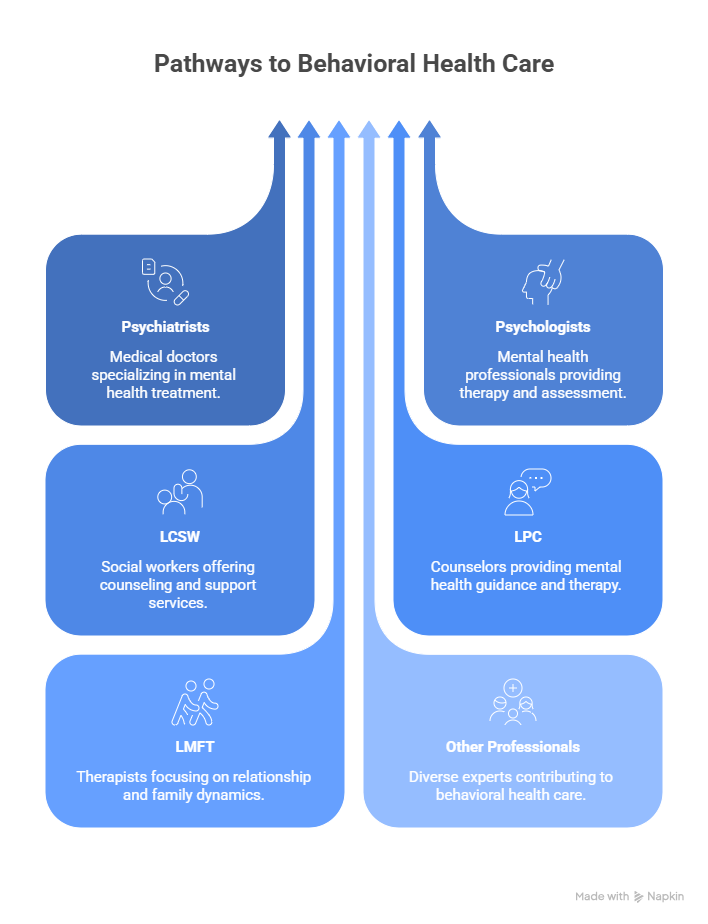
Only qualified behavioral health professionals who are licensed and credentialed with insurance payers can bill CPT Code 90853. These providers typically include:
- Psychiatrists
- Psychologists
- Licensed Clinical Social Workers (LCSW)
- Licensed Professional Counselors (LPC)
- Marriage and Family Therapists (LMFT)
- Other credentialed behavioral health professionals
Insurance providers usually require that the professional leading the session is licensed to provide psychotherapy services and that the session meets medical necessity requirements.
When to Use CPT Code 90853 for Group Therapy?
CPT Code 90853 should be used when a therapist provides psychotherapy services to multiple patients in the same session. The goal of group therapy is to create a supportive environment where patients can share experiences, learn coping strategies, and work through mental health challenges together.
Group therapy is often used in treatment programs for conditions such as depression, anxiety disorders, trauma recovery, and substance use disorders.
Because multiple individuals participate simultaneously, the therapist facilitates discussions, provides therapeutic guidance, and encourages group interaction.
Typical Group Therapy Session Structure
A standard group psychotherapy session billed under CPT Code 90853 typically includes:
- A licensed therapist leading the session
- Multiple patients participating together
- Therapeutic discussions or structured exercises
- Peer interaction that supports emotional growth and recovery
While payer rules may vary, many insurers expect the group to be small enough for meaningful participation from each patient.
Situations Where CPT 90853 Is Appropriate
Providers commonly use CPT Code 90853 in settings such as:
- Outpatient mental health clinics
- Substance abuse treatment programs
- Community behavioral health centers
- Hospital-based psychiatric programs
- Intensive outpatient programs (IOP)
In each case, the session must involve active psychotherapy rather than simple education or support meetings.
CPT Code 90853 Billing Rules and Guidelines
Accurate billing for CPT Code 90853 requires providers to follow specific guidelines established by insurance companies and government payers. Understanding these rules helps prevent claim denials and ensures providers receive appropriate reimbursement for group therapy services.
One of the most important aspects of billing this code is recognizing that it represents group psychotherapy delivered to multiple patients during the same session. Even though the session occurs once, the provider can submit claims separately for each participating patient.
Key Billing Rules for CPT 90853
Providers should follow several core billing principles when submitting claims for group therapy:
- The session must include multiple patients participating simultaneously.
- The therapist must provide active psychotherapy services, not just educational instruction.
- Providers typically bill the code once per patient attending the session.
- The therapy must meet medical necessity requirements based on the patient’s diagnosis and treatment plan.
Insurance and Payer Policy Considerations
Different insurance companies may have their own policies regarding group psychotherapy billing. Some payers may specify:
- Maximum group size limits
- Frequency restrictions for sessions
- Preauthorization requirements
- Documentation standards
Because these requirements vary, providers should always verify payer-specific guidelines before submitting claims for CPT Code 90853. This helps reduce billing errors and improves the likelihood of timely reimbursement.
Documentation Requirements for CPT Code 90853
Proper documentation is essential when billing CPT Code 90853 for group psychotherapy sessions. Insurance providers and auditors require clear, detailed records that demonstrate medical necessity, patient participation, and therapeutic benefit. Without adequate documentation, claims may be denied or flagged during audits.
Even though therapy occurs in a group setting, documentation should still reflect individual patient involvement and progress. Each participant must have their own clinical note explaining how the session contributed to their treatment plan.
Patient Participation Notes
Providers must document how each patient participated during the group therapy session. This helps demonstrate that the patient received active psychotherapy services rather than passive observation.
Important elements to document include:
- The patient’s level of participation during the session
- Behavioral observations or emotional responses
- Topics discussed that relate to the patient’s treatment goals
- Interactions with other group members
- Therapeutic interventions used by the provider
These individualized notes show that every patient benefited from the group therapy session.
Session Details
Accurate session documentation should also include the basic details of the therapy session itself. These details provide proof that the service was delivered appropriately and meets billing standards.
Key information typically includes:
- Date of the group therapy session
- Start and end time or duration of the session
- Name and credentials of the therapist conducting the group
- Total number of participants attending the session
- Location of the service (clinic, outpatient facility, etc.)
Including these details helps support compliance with insurance billing policies.
Treatment Plan Connection
Another important component of documentation is linking the session to the patient’s individual treatment plan. Providers should clearly explain how the group therapy activities supported the patient’s mental health goals.
This may include:
- Coping skill development
- Improving communication and interpersonal skills
- Managing symptoms of depression or anxiety
- Substance abuse recovery support
Connecting the session to the treatment plan demonstrates medical necessity, which is a key requirement for reimbursement.
CPT Code 90853 Reimbursement and Insurance Coverage
CPT Code 90853 is widely recognized by insurance companies, including Medicare and many commercial health plans. Because group therapy is a common and effective mental health treatment, most payers offer reimbursement for group psychotherapy services when proper documentation and billing guidelines are followed.
However, reimbursement rates and policies may vary depending on several factors, including the payer, provider credentials, and geographic location.
Medicare Guidelines for 90853
Medicare covers group psychotherapy services when they are medically necessary for treating a mental health condition. Providers must ensure that the therapy session focuses on therapeutic interaction and clinical treatment, rather than general education or social support.
Key Medicare requirements may include:
- Sessions led by a qualified mental health professional
- Documentation demonstrating clinical benefit for each participant
- Therapy that directly addresses a diagnosed mental health condition
Providers should also follow Medicare’s documentation standards to avoid claim denials or reimbursement delays.
Private Insurance Considerations
Commercial insurance companies generally cover CPT Code 90853 as part of behavioral health benefits. However, each payer may have different rules regarding how group therapy services are billed and reimbursed.
Common payer requirements may include:
- Preauthorization for behavioral health services
- Limits on the number of patients per group session
- Restrictions on how frequently group therapy sessions can occur
- Specific documentation standards for reimbursement
Because policies differ among insurers, it is important for providers to verify coverage and billing rules before delivering group therapy services.
CPT Code 90853 vs Individual Therapy Codes
Exploring the difference between group psychotherapy and individual psychotherapy codes is important for accurate billing. CPT Code 90853 is used only for group therapy sessions, while other psychotherapy codes apply to one-on-one therapy between a patient and a provider.
Individual therapy codes are typically time-based, whereas group therapy codes are based on the type of service provided.
| CPT Code | Service Type | Session Type |
| 90853 | Group psychotherapy | Multiple patients |
| 90832 | Individual psychotherapy | 30 minutes |
| 90834 | Individual psychotherapy | 45 minutes |
| 90837 | Individual psychotherapy | 60 minutes |
Key Differences Between Group and Individual Therapy Billing
There are several important distinctions between these services:
- CPT 90853 is used only for group psychotherapy sessions.
- Individual therapy codes (90832, 90834, 90837) are time-based services.
- Group therapy involves multiple patients receiving treatment simultaneously.
- Individual therapy focuses on one patient during the session.
Using the correct code is essential for accurate billing, proper reimbursement, and compliance with payer guidelines. Incorrect coding can lead to claim rejections, payment delays, or compliance risks for mental health providers.
Common Billing Mistakes with CPT Code 90853
Billing errors are one of the main reasons mental health providers experience claim denials or delayed reimbursements for group psychotherapy services. Because CPT Code 90853 has specific billing and documentation requirements, even small mistakes can create compliance issues or reduce reimbursement rates.
Understanding the most common billing errors can help providers improve accuracy and avoid unnecessary revenue loss.
Billing Without Active Patient Participation
One of the most frequent mistakes occurs when providers bill CPT 90853 for sessions where patients are not actively engaged in psychotherapy. Insurance payers expect active therapeutic participation from each patient in the group.
If a patient is only observing or minimally involved, the session may not qualify as billable group psychotherapy.
Poor or Incomplete Documentation
Incomplete clinical documentation is another common issue that leads to claim denials. Because group therapy involves multiple patients, providers sometimes write general group notes instead of individualized documentation.
Each patient’s record should clearly show:
- Their level of participation in the session
- Behavioral observations or therapeutic responses
- Progress toward treatment goals
Without these individualized details, insurers may question the medical necessity of the service.
Incorrect Coding
Another mistake providers make is using individual psychotherapy codes instead of CPT 90853 for group sessions. Since individual therapy codes are time-based, billing them for a group therapy session may result in coding errors and rejected claims.
Accurate coding ensures that services are reported correctly and reimbursed appropriately.
Ignoring Payer-Specific Rules
Insurance companies often have different policies regarding group therapy billing. Some payers may restrict:
- The maximum number of participants in a group
- How often can group therapy be billed
- Whether preauthorization is required
Failing to follow these payer-specific requirements can result in denied claims or reduced reimbursement.
Best Practices to Maximize CPT Code 90853 Reimbursement
Mental health providers can improve reimbursement outcomes by following best practices in billing, coding, and documentation. A structured billing process helps reduce claim errors, improve compliance, and ensure providers receive timely payments for group psychotherapy services.
Maintain Detailed Documentation
Comprehensive documentation is one of the most effective ways to prevent claim denials. Providers should ensure that each patient’s record includes:
- Individual participation notes
- Clinical observations
- Treatment goals addressed during the session
- Therapist interventions and outcomes
Strong documentation supports medical necessity and reimbursement justification.
Verify Insurance Requirements Before Sessions
Because payer rules vary, verifying insurance requirements in advance can help avoid billing complications. Providers should confirm:
- Coverage for group psychotherapy services
- Authorization requirements
- Limits on session frequency or group size
Taking these steps before delivering care can significantly reduce billing issues later.
Ensure Accurate Coding and Claim Submission
Using the correct CPT codes and submitting claims with complete information is essential for efficient reimbursement. Providers should double-check:
- CPT codes used for the service
- Diagnosis codes supporting medical necessity
- Provider credentials and billing information
Routine coding audits can also help identify errors before claims are submitted.
Conduct Regular Billing Audits
Internal billing reviews help identify patterns of denied claims or documentation issues. By conducting regular audits, healthcare organizations can improve billing accuracy and maintain compliance with payer regulations.
These reviews also help providers identify opportunities to optimize revenue cycle management in behavioral health services.
Professional Support for Mental Health Billing
Managing mental health billing can be challenging due to changing payer policies, complex documentation requirements, and strict compliance standards. Many behavioral health providers find that outsourcing billing or working with specialized billing experts helps streamline their revenue cycle.
Professional mental health billing services can assist with:
- Accurate CPT and diagnosis coding
- Insurance verification and claim submission
- Denial management and appeals
- Compliance with payer and regulatory requirements
Summing Up
CPT Code 90853 is an essential billing code for group psychotherapy sessions in mental health care. When used correctly, it allows providers to deliver effective group therapy while receiving proper reimbursement from insurance payers. Understanding the billing rules, documentation requirements, and payer guidelines for this code helps reduce claim denials and ensures compliance with industry standards.Mental health providers who maintain accurate documentation, follow payer policies, and implement efficient billing processes can significantly improve their reimbursement outcomes. For organizations looking to simplify their billing workflow and reduce administrative burden, professional support in mental health and Psychotherapy billing can make a major difference.