Your Tebra system holds the data, ORCM turns it into collected revenue. We manage Kareo claims, eligibility, payment posting, denials, and aging A/R. Every billing gap is tracked, worked, and pushed toward resolution. Get more from your Tebra workflow while spending less time chasing payments.
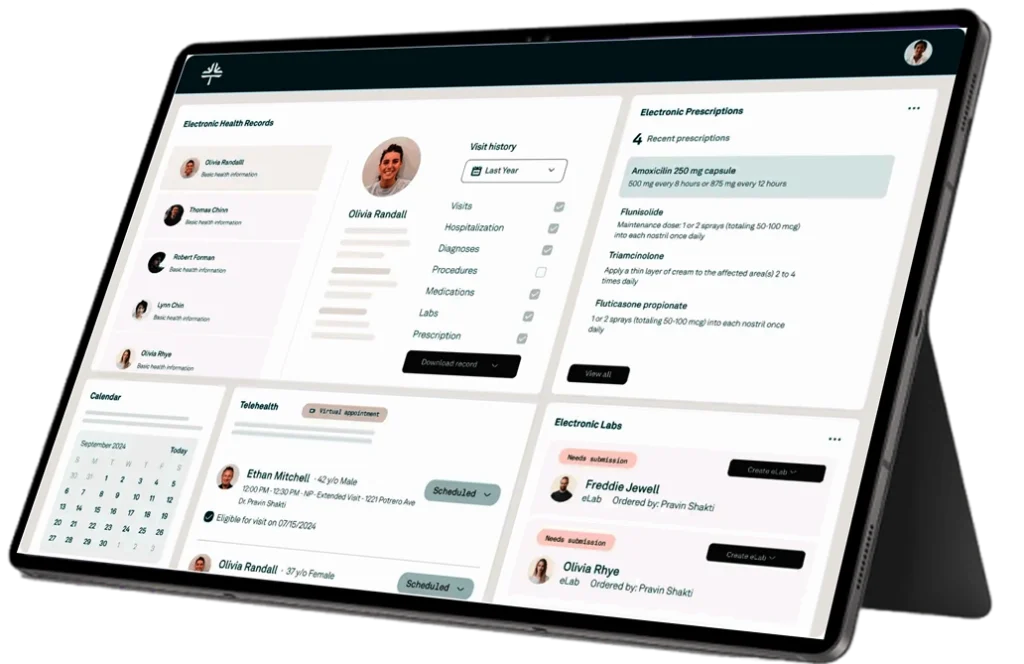


Kareo (Tebra) medical billing services are designed to manage the financial workflow inside the Tebra platform, from patient eligibility and charge capture to claim submission, payer responses, payment posting, and A/R follow-up. Effective Tebra RCM services require more than simply submitting claims; they involve continuously monitoring claim status, correcting rejections, working denials, reconciling payments, and keeping every collectible dollar moving toward reimbursement.
Existing Kareo configurations are reviewed for workflow gaps, billing bottlenecks, and revenue leakage.
Charges are checked against documentation to prevent missed services, incorrect entries, and avoidable claim issues.
Claims undergo billing-level checks before submission to reduce preventable rejections and payer delays.
Rejected Tebra claims are isolated, corrected, and resubmitted before they become aging A/R.
Denials are analyzed by reason, payer, and pattern to stop recurring reimbursement problems.
Outstanding accounts are segmented by age, balance, payer, and recoverability for focused follow-up.
Posted payments are compared against expected reimbursement to uncover short payments and discrepancies.
Billing data is monitored for collection gaps, denial trends, aging movement, and missed revenue opportunities.
Stop letting rejected claims, aging A/R, and missed reimbursement opportunities hold your practice revenue back. Get specialized Kareo (Tebra) billing support from ORCM and put every part of your revenue cycle under expert management.
Kareo and PatientPop are now unified under the Tebra brand, while Tebra states that the core EHR and billing functionality used by former Kareo customers remains in place.
For your practice, that means the familiar billing foundation has evolved into a broader platform rather than requiring you to abandon your existing workflow.
ORCM understands that transition and provides billing support around the Kareo/Tebra environment you already use, from electronic claims and claim review to payment posting, denials, and A/R recovery.
Your revenue doesn’t stop moving when a claim leaves the encounter. Every handoff matters.
Charges move from the patient encounter into the billing workflow with billing details reviewed for completeness.
Claim information is checked before electronic submission to reduce avoidable billing and data issues.
Claims can encounter validation within the Tebra/Kareo environment before moving forward.
Outstanding balances and payment discrepancies remain under active follow-up instead of simply aging in the system.
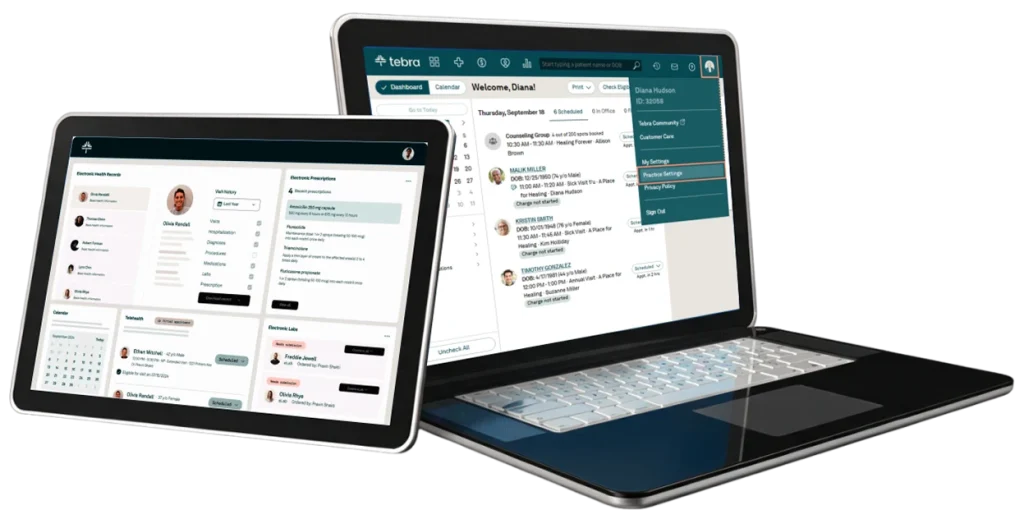
Tebra’s documentation confirms that electronic claims can pass through separate reviews involving the Tebra/Kareo application, clearinghouse, and payer before payer adjudication.
A clean claim is not the same thing as a paid claim.
Tebra’s claim workflow includes validation before claims move through the clearinghouse and payer. But even after a claim clears those checkpoints, the payer can still deny it during adjudication. That’s where the real revenue-cycle work begins:
ORCM doesn’t treat claim acceptance as the finish line. The focus continues through payer responses, denial reasons, underpayments, outstanding balances, and aging A/R, because revenue is only revenue when it gets collected.

If your practice already runs on Tebra, outsourcing billing doesn’t have to mean introducing another practice-management system into your daily operations.
ORCM works around your existing Kareo/Tebra billing environment, taking responsibility for the revenue-cycle workload while your practice continues using the platform it already knows.
No unnecessary platform migration. No rebuilding your billing workflow from scratch. Just specialized billing support where you need it.
Tebra describes its platform as combining clinical workflows, billing, payments, and other practice functions, while its billing infrastructure includes electronic claims, eligibility, and related billing workflows.
Instead of adding another person to your internal billing workload, take the workload off the plate entirely.
Tebra supports both manual and electronic payment posting, including ERA workflows that can contain denials, reversals, underpayments, and overpayments, making accurate review after payment receipt an important part of the revenue cycle.

Charge review, claim preparation, billing validation, and submission oversight.





Visibility is useful.
Action is what moves revenue.
Your Tebra environment can provide access to billing and payment information. But seeing an aging balance doesn’t automatically recover it.
ORCM turns billing data into specific revenue-cycle actions:
The current Tebra setup, billing workflow, payer mix, outstanding A/R, and operational pain points are reviewed.
Billing responsibilities, claim queues, payment workflows, denial processes, and A/R priorities are organized for transition.
Take the guesswork out of medical billing with a free consultation and billing audit from one RCM. We review your existing workflow, pinpoint missed revenue, and highlight ways to improve claim accuracy and payment speed no cost, no pressure. Whether you’re an independent provider or managing a growing practice, you’ll walk away with clear, actionable next steps.

Your Tebra platform can organize the workflow. ORCM makes sure the revenue cycle behind that workflow keeps moving.
Stop allowing rejected claims, aging A/R, payment discrepancies, and unworked denials to quietly accumulate.