One incorrect rendering NPI or missed incident-to requirement can cost your NP practice valuable reimbursement. ORCM manages Medicare Part B claims, place-of-service accuracy, and NP-specific payer policies to minimize underpayments. Stop letting preventable billing mistakes reduce what you’ve earned.


ORCM reviews nurse practitioner claims end to end, checking incident-to and split/shared billing, supervising physician details, and NPI setup to find the cause of each billing bottleneck and fix it at the source. Whether you run an independent NP practice or bill NPs inside a multi-provider group, this reduces financial risk, recovers lost revenue, and keeps compliance reviews clean.
ORCM's NP billing services target the exact issues costing your practice money. From incident-to eligibility reviews and NPI validation to precise E/M coding, Medicare compliance, and denial recovery, we manage your NP revenue cycle with specialty-specific expertise. Get cleaner claims, recover eligible underpayments, and turn more of your NP encounters into collected revenue.
Stop letting incorrect rendering NPIs, missed incident-to opportunities, and payer-specific rules cut into your collections. ORCM’s specialized NP billing process targets reimbursement gaps, prevents costly denials, and keeps your revenue cycle moving.
Verify individual NP NPIs, Medicare enrollment, taxonomy codes, and payer contracts to prevent enrollment-related denials and reimbursement delays.
Evaluate physician supervision, established treatment plans, and Medicare incident-to requirements to capture eligible physician-rate reimbursement without compliance risks.
Validate 99202–99215 selections using medical decision-making or total time documentation to prevent downcoding, overcoding, and lost visit revenue.

Match rendering and billing provider identifiers, applicable modifiers, and payer-specific claim requirements to reduce rejected or incorrectly processed NP claims.
Screen claims for diagnosis-code accuracy, place-of-service errors, provider credentials, and payer edits before submission to minimize preventable denials.
Track NP claims against payer-specific reimbursement policies, identify processing delays, and pursue outstanding payments before filing deadlines expire.

Investigate E/M downcoding, NPI mismatches, incident-to denials, and contractual underpayments to recover reimbursement legitimately owed to the practice.

Analyze denial trends, E/M code distribution, reimbursement variances, and aging claims to uncover revenue leaks and improve collection performance.
Every NP encounter deserves accurate reimbursement, but are you collecting everything your practice is eligible to receive? Medicare generally pays nurse practitioners 85% of the physician fee schedule when services are billed directly under their NPI. Incorrect claim processing, overlooked incident-to eligibility, and payer-specific reimbursement discrepancies can shrink collections even further.
ORCM’s nurse practitioner reimbursement optimization services help protect your revenue by targeting:
A physician must initiate the course of treatment, with the NP providing qualifying follow-up services as part of that plan.
The supervising physician must meet Medicare's applicable direct supervision requirements for the service.
New patient visits and services addressing new problems that require a new treatment plan generally do not qualify for incident-to billing.
The medical record must support physician involvement, supervision, and all other applicable incident-to requirements.
Incorrect provider identifiers or unsupported incident-to claims can lead to denied payments, reimbursement discrepancies, and audit exposure. ORCM's NP billing under physician expertise helps determine the appropriate billing pathway based on encounter details, Medicare requirements, and commercial payer policies.
A complex NP encounter shouldn’t be reimbursed as a lower-level visit when the documentation supports a higher code. Yet incomplete medical decision-making records, incorrect time calculations, and payer downcoding can reduce payments for otherwise valid services.
Every E/M Level Matters to Your Bottom Line
ORCM helps align NP credentialing records, payer participation, and billing information so eligible claims can move through the revenue cycle with fewer administrative obstacles.
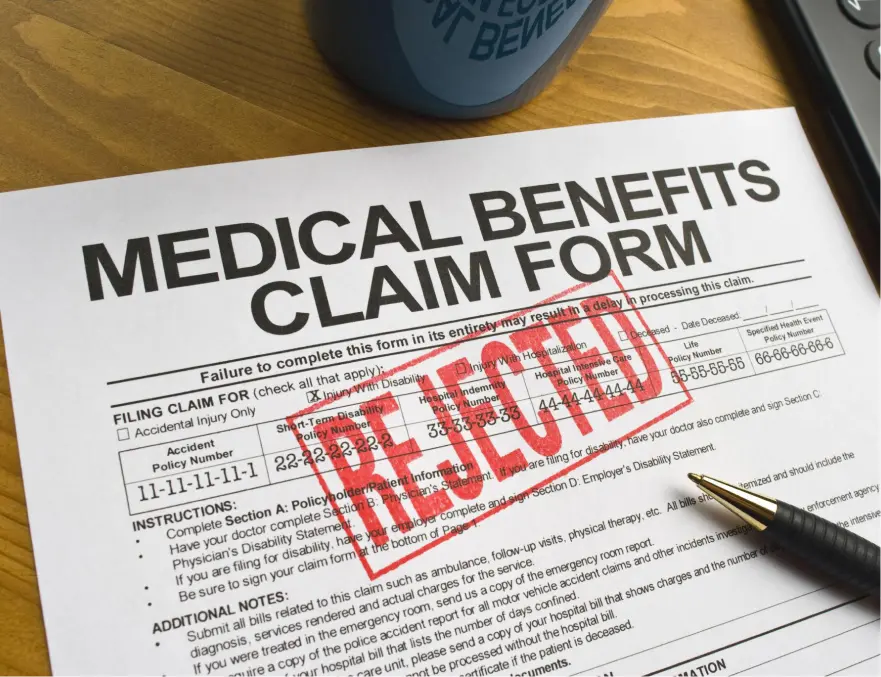
A denied NP claim isn’t always lost revenue. Sometimes, it’s a correctable NPI mismatch, unsupported incident-to classification, coding discrepancy, or payer processing error.
ORCM investigates the reason behind each denial and pursues recoverable payments through a targeted resolution process.
From Denied Claims to Recovered Revenue
Review NP denial codes, payer explanations, rendering provider details, and reimbursement discrepancies to identify the actual cause.
Resolve eligible coding errors, NPI mismatches, missing information, and claim submission discrepancies according to payer requirements.
Prepare corrected claims, reconsiderations, or supported appeals within applicable payer filing and appeal deadlines.
Monitor outstanding NP claims, follow up on payer responses, and reconcile recovered payments against expected reimbursement.
From denied 99214 visits to improperly processed incident-to claims, ORCM's NP denial management services help turn avoidable payment losses into recovery opportunities.
Your patients can receive care virtually. Your NP reimbursements shouldn't get stuck in outdated billing workflows.
Telehealth billing requirements can vary by payer, service type, patient location, and date of service. Incorrect place-of-service codes, unsupported modifiers, or missed coverage restrictions can turn completed virtual NP visits into unpaid claims.
| Telehealth Billing Risk | How ORCM Protects Your Claims |
|---|---|
| Incorrect POS 02 or POS 10 | Validate patient location and applicable payer rules |
| Missing Telehealth Modifiers | Apply required modifiers based on service and payer policies |
| Ineligible Virtual Services | Verify coverage and telehealth eligibility |
| Documentation Discrepancies | Review required telehealth encounter details |
| Medicare Policy Changes | Apply current service-date-specific billing requirements |
| Commercial Payer Denials | Investigate payer-specific virtual care claim rejections |
ORCM's NP telehealth billing services support accurate coding, eligibility verification, and payer-compliant claim submission to help protect revenue from eligible virtual encounters.
Your practice operates under reimbursement rules that differ from those of physicians. From Medicare's 85% direct billing rate to incident-to eligibility, NP credentialing, and split/shared visits, your revenue cycle demands more than routine claim processing.
ORCM brings specialty-focused billing support to the reimbursement challenges nurse practitioners face every day.
Why settle for a billing partner that treats every specialty the same? ORCM helps nurse practitioners address the coding, credentialing, and payer-specific issues that affect their collections.
Stop chasing unpaid claims. Start protecting the revenue behind every eligible NP encounter.

When an NP bills Medicare under their own NPI, Medicare reimburses the service at 85% of the physician fee schedule amount. That reduction is built into Medicare policy, so the only ways to protect revenue are to bill every eligible service correctly, capture qualifying incident-to visits at the full rate, and challenge payments that fall below even the 85% level. ORCM reviews your remittances to make sure you’re receiving every dollar the fee schedule allows.
Incident-to billing generally applies in an office setting when the physician has initiated the patient’s plan of care, the NP is following that established plan, and a supervising physician is physically present in the office suite during the visit. New patients, new problems, and hospital-based services typically don’t qualify. ORCM reviews documentation and supervision before submission so you only bill incident-to when the requirements are clearly met.
It depends on the setting, the type of visit, and whether incident-to or split/shared rules are met. Billing under the wrong NPI can lead to denials, recoupments, or compliance risk. ORCM evaluates each encounter type in your practice and sets up clear rendering and billing provider rules so every claim goes out under the correct NPI.
For split/shared E/M visits in hospitals and other facility settings, the service is billed by the practitioner who performed the substantive portion of the visit, based on time or medical decision-making, and the claim must include modifier FS. ORCM reviews the documentation from both providers to confirm who qualifies as the billing practitioner before the claim is submitted.
Yes. Credentialing gaps are one of the most common reasons NP claims go unpaid. ORCM handles Medicare, Medicaid, and commercial payer enrollment, taxonomy and NPI setup, CAQH maintenance, and revalidations so your nurse practitioners are ready to bill from the first patient visit.
Start with a free NP revenue audit. We review your recent claims, denials, incident-to usage, and payer reimbursements to pinpoint where revenue is being lost. From there, we build a billing workflow around your EHR and practice structure, with transparent reporting on collections, denials, and A/R.
