eClinicalWorks AI Scribe Integration Services

Your patient conversations should drive care, not create hours of after-visit documentation. ORCM connects AI scribing with eClinicalWorks to streamline clinical notes, strengthen coding workflows, and accelerate the path from encounter to claim. Document smarter. Bill cleaner. Get paid faster.
eClinicalWorks AI Scribe Integration Services
Trusted by Modern Healthcare Providers Nationwide

Integrate AI Scribing Where Your Providers Already Work

eClinicalWorks AI Scribe integration services connect AI-powered clinical documentation with your existing eClinicalWorks workflow, helping turn provider-patient conversations into usable clinical notes with less manual effort.

ORCM helps align the integration with documentation, coding, billing, and RCM workflows so information moves efficiently from the patient encounter toward a clean, properly supported claim.

When Documentation Slows Down, Your Revenue Feels It

Providers already have enough competing for their attention without spending hours completing charts after patient visits. Manual documentation, disconnected workflows, incomplete notes, and delayed chart completion can create gaps between care delivery and billing. Those gaps can contribute to coding errors, claim delays, denials, and slower reimbursement.
These problems often begin at the point of documentation but can follow a claim throughout the revenue cycle. When critical clinical details are missing or delayed, billing teams have to chase information, coders have less documentation to work with, and claims can take longer to reach payers.

Turn Every Patient Conversation Into a Stronger Revenue Cycle

ORCM brings AI-powered documentation and revenue cycle expertise together to build a smoother eClinicalWorks workflow from encounter to reimbursement. We help integrate AI scribing into your clinical processes, streamline documentation handoffs, support coding-ready records, reduce manual billing friction, and strengthen the workflows behind cleaner claim submission. You focus on patients while ORCM helps keep documentation, billing, and revenue moving forward.
Turn Every Patient Conversation Into a Stronger Revenue Cycle

We Don’t Just Codave in eClinicalWorks. We Code for Payment.

Connect AI-powered scribing with the clinical and revenue workflows already running through eClinicalWorks. ORCM creates a smoother path from patient conversation and note completion to coding-ready documentation and claim preparation.

AI Scribe Workflow Integration

AI scribing fits directly into existing eClinicalWorks encounter workflows, giving providers a faster path from patient conversations to reviewed and completed clinical notes.

Clinical Note Mapping & Configuration

AI-generated content is mapped to appropriate eClinicalWorks note sections, keeping documentation structured, consistent, and easier for providers to review and finalize.

Specialty-Specific Documentation Alignment

Scribe workflows are tailored around specialty-specific visit types, terminology, templates, and documentation requirements for a more natural fit with everyday clinical encounters.

Provider Review & Sign-Off Workflows

Streamlined review processes make it easier to verify, edit, approve, and finalize AI-assisted documentation before it becomes part of the completed patient record.

Coding-Ready Documentation Optimization

Clinical documentation is aligned to clearly capture relevant diagnoses, procedures, medical necessity, and encounter details needed to support accurate code selection.

Documentation Gap & Workflow Checks

Missing or inconsistent encounter details can be identified earlier, reducing unnecessary back-and-forth between providers, coding teams, and billing staff.

Encounter-to-Claim Workflow Alignment

Completed documentation moves more efficiently toward coding and claim preparation, helping prevent unfinished charts from becoming downstream revenue cycle bottlenecks.

Ongoing Workflow Optimization & Support

Templates, documentation handoffs, review steps, and eClinicalWorks workflows can be continually refined as provider needs and practice processes evolve.

Ready to Make eClinicalWorks AI Scribing Work for Your Revenue Cycle?

Turn patient conversations into structured, coding-ready documentation without adding more work to your providers. Connect eClinicalWorks AI Scribe with a smoother encounter-to-claim workflow and give your practice a faster path from documentation to reimbursement.

How eClinicalWorks AI Scribe Integration
Works From Visit to Signed Note

A smarter documentation workflow starts during the encounter, not hours after it. eClinicalWorks AI Scribe helps move the clinical conversation toward a complete, provider-reviewed note through a connected process.
How eClinicalWorks AI Scribe Integration Works From Visit to Signed Note
The provider focuses on the patient while relevant clinical details are captured during the conversation.
The captured encounter is transformed into a structured draft based on the clinical conversation and configured documentation workflow.
Relevant information moves into the appropriate documentation workflow, reducing the need to rebuild the encounter note manually.
The provider reviews the AI-assisted draft, makes necessary corrections or additions, and confirms that it accurately reflects the encounter.
Once validated, the note can be finalized and signed, creating a clearer handoff to coding and downstream revenue cycle processes.
One patient conversation. One connected documentation path. Less friction between the visit and the signed note.

eClinicalWorks Coding Built Around Your Specialty

Your specialty changes the coding. Your coding partner should

understand the difference. A cardiology encounter should not be coded like dermatology, and behavioral health brings very different documentation requirements than orthopedics. ORCM brings specialty-aware coding expertise into your eClinicalWorks workflow, so the codes assigned reflect the services your providers actually perform and document.
CODING EXPERTISE
Cardiology
↗
Diagnostic testing, procedures, E/M, modifiers
Orthopedics
↗
Procedures, laterality, injections, fracture care
Gastroenterology
↗
Endoscopy, procedures, diagnosis-code specificity
Dermatology
↗
Lesions, biopsies, excisions, procedure coding
Behavioral Health
↗
Therapy, psychiatric services, time-based coding
Primary Care
↗
E/M, preventive care, screenings, chronic care
Pain Management
↗
Injections, procedures, imaging guidance, modifiers
Multi-Specialty Groups
↗
Consistent coding across different provider workflows
The difference? Your claims are handled by coders who understand the coding details behind your specialty, not just the eClinicalWorks screen in front of them.

Built Around Your Existing eClinicalWorks Setup,
Not Against It

Changing how providers document care should not mean rebuilding the workflows they already know. ORCM approaches eClinicalWorks AI Scribe integration around your current clinical environment, helping introduce AI assistance without creating unnecessary disruption.

Your Existing Setup
Integration Approach
Current Note Templates
Align AI-assisted documentation with established note structures
Provider Preferences
Account for individual review and documentation workflows
Encounter Types
Configure workflows around relevant visit scenarios
Clinical Documentation Flow
Preserve logical movement from encounter to completed chart
Coding Handoffs
Keep finalized documentation accessible for downstream coding
Practice Workflows
Adapt integration around how your team already operates

The goal is simple: add AI efficiency without forcing your providers to relearn their entire eClinicalWorks workflow.

Where AI Scribing Can Strengthen Documentation Quality

Better documentation is not about creating longer notes. It is about capturing the clinical details that accurately represent the encounter and give downstream teams clearer information to work with.
Capture the Story

Capture the Story

Help organize relevant history and patient-reported details discussed during the encounter.
Clarify the Assessment

Clarify the Assessment

Create a more structured record of the provider’s clinical assessment for review and validation.
Support the Plan

Support the Plan

Capture discussed treatments, follow-up instructions, orders, and other elements of the care plan.
Preserve Clinical Context

Preserve Clinical Context

Reduce the risk of important conversational details being overlooked when notes are completed later.
Improve Documentation Consistency

Improve Documentation Consistency

Create a more repeatable starting point for providers while preserving their responsibility for final review.
Strengthen Coding Support

Strengthen Coding Support

More complete, specific documentation can give coding teams better clinical support when determining appropriate codes and validating medical necessity.

The result is a clinical note designed to do more than close the chart. It creates a stronger foundation for the workflows that follow.

Specialty-Tailored eClinicalWorks AI Scribe Workflows

Your specialty determines what matters in the note. Your AI scribe workflow should reflect that.

A primary care encounter does not document like an orthopedic follow-up, and a cardiology visit does not follow the same clinical narrative as behavioral health. ORCM helps align eClinicalWorks AI Scribe workflows with the terminology, encounter patterns, and documentation priorities relevant to the practice.

Primary Care
Chronic condition follow-ups, preventive visits, assessments, care plans, and multi-condition encounters.
Cardiology
Symptoms, cardiovascular history, diagnostic findings, treatment plans, and follow-up documentation.
Orthopedics
Injury details, anatomical specificity, examination findings, treatment progression, and procedure-related documentation.
Pain Management
Pain characteristics, functional status, treatment response, procedures, and ongoing care plans.
Dermatology
Lesion characteristics, anatomical location, examinations, procedures, and treatment documentation.
Behavioral Health
Patient-reported symptoms, assessments, treatment plans, progress, and follow-up details.
One technology should not mean one documentation workflow for every specialty.

Before and After eClinicalWorks AI Scribe
Integration

BEFORE
Patient Visit
Provider relies heavily on manual note-taking
Charts remain unfinished between appointments
Details may need to be reconstructed later
Coding waits for completed documentation
Billing workflows can be pushed further downstream
AFTER
Patient Visit
AI assists with capturing encounter details
Structured draft supports faster provider review
Provider validates and completes the clinical note
Documentation moves toward coding sooner
A more connected encounter-to-claim workflow begins
The difference is not simply faster note creation. It is less friction between clinical care, documentation completion, coding, and revenue cycle progression.

Why Pair eClinicalWorks AI Scribing With ORCM?

AI can help create the note. ORCM understands what that note needs to support next.

That distinction matters.

ORCM brings medical billing and revenue cycle expertise into the eClinicalWorks AI Scribe integration conversation. Instead of viewing documentation as an isolated clinical task, the workflow is considered in the context of coding support, medical necessity, claim preparation, and reimbursement.

This means your practice can pursue:

✓ More efficient encounter-to-note workflows
✓ Clearer documentation handoffs to coding
✓ Better alignment with billing requirements
✓ Fewer avoidable documentation-related bottlenecks
✓ Specialty-aware workflow configuration
✓ Ongoing optimization as workflows evolve
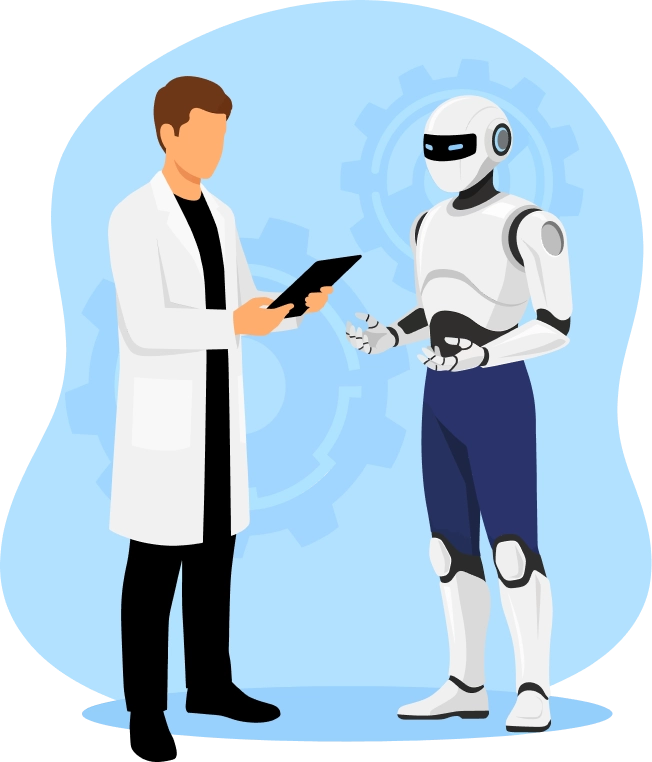
Connect the front end of documentation with the revenue cycle expertise waiting on the other side.
Why Pair eClinicalWorks AI Scribing With ORCM

Schedule a Consultation

Get a Free Billing Audit. No Pressure, No Commitment.

Take the guesswork out of medical billing with a free consultation and billing audit from one RCM. We review your existing workflow, pinpoint missed revenue, and highlight ways to improve claim accuracy and payment speed no cost, no pressure. Whether you’re an independent provider or managing a growing practice, you’ll walk away with clear, actionable next steps.

paper-areoplane-arrow.png

Why Choose ORCM for eClinicalWorks AI Scribe Integration?

More Than an Integration. A Revenue-Aware Documentation Strategy.
Integration is shaped around the workflows your providers already use rather than a disconnected, stand-alone process.
Documentation is viewed through both clinical workflow and downstream revenue cycle requirements.
Workflows can reflect the different documentation demands of your providers, encounter types, and specialties.
he goal is to reduce documentation friction while keeping providers responsible for reviewing and validating the final clinical record.

Stop Letting Documentation Stand Between the Patient Visit and Payment

Your providers should not spend the end of the day rebuilding conversations from memory. Put eClinicalWorks AI Scribe into a workflow designed to move efficiently from patient conversation to reviewed documentation, coding, claim preparation, and reimbursement.
Stop Letting Documentation Stand Between the Patient Visit and Payment