ORCM connects your eClinicalWorks clinical and billing workflows so charges move from documentation to claims without revenue slipping through the cracks. We optimize charge capture, claim scrubbing, clearinghouse submission, ERA/EOB posting, denial queues, and eCW A/R follow-up. Catch unbilled encounters, fix rejected claims faster, and turn eClinicalWorks into a tighter claims-to-cash engine.
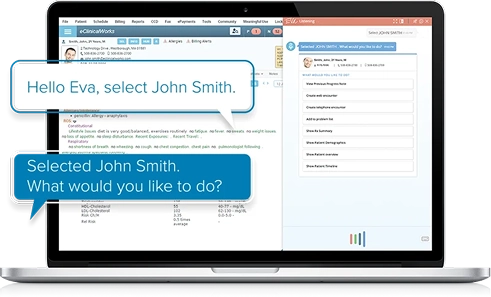
Align eCW clinical documentation, charge entry, billing, and payment workflows so revenue-critical data moves accurately between teams without unnecessary manual intervention.
We verify active coverage, benefits, and payer requirements before billing, helping your team catch insurance issues before they become preventable claim denials.
Reconcile completed encounters against charges to uncover unsigned visits, missing procedures, and unbilled services before earned revenue disappears into eCW work queues.
Our billing specialists review coding, modifiers, demographics, payer rules, and claim edits before submission to improve claim quality and prevent avoidable rejections.
We manage claims from eClinicalWorks through clearinghouse submission, track acknowledgments and rejections, and correct submission errors before they turn into aging receivables.
ORCM posts electronic remittances and payer payments accurately, applies contractual adjustments, identifies discrepancies, and routes unresolved balances for immediate follow-up.
We work eCW rejection and denial queues by identifying root causes, correcting claim issues, submitting appeals, and tracking each claim toward resolution.
Our team prioritizes aging eClinicalWorks balances, follows up with payers, investigates underpayments, and works outstanding claims until reimbursement or appropriate resolution.
Turn missed charges, rejected claims, underpayments, and aging eCW A/R into collectible revenue with a revenue cycle built to follow every dollar from encounter to payment.
Connect eClinicalWorks with the systems your practice depends on without creating another disconnected workflow. ORCM supports integration workflows involving APIs, HL7-based data exchange, interface mapping, clearinghouses, payer connectivity, billing applications, and other compatible healthcare systems, based on the capabilities available within your eClinicalWorks environment.
The focus goes beyond moving data from one system to another. Each connection is aligned with revenue-critical workflows so patient, encounter, charge, claim, remittance, and payment information reaches the right destination accurately, helping reduce duplicate entry, interface-related billing gaps, and delays between care delivery and reimbursement.
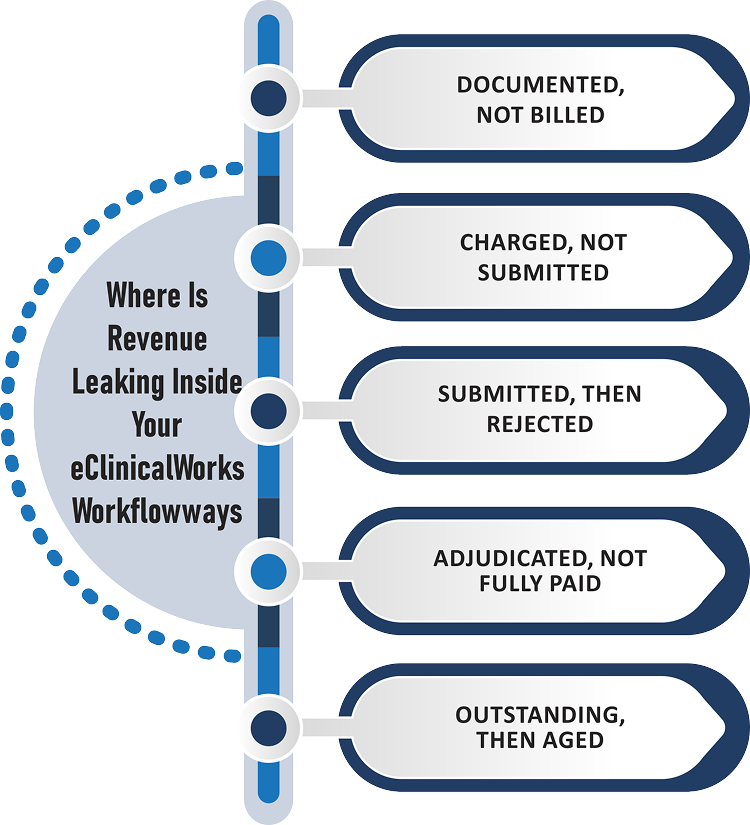
DOCUMENTED, NOT BILLED: Completed encounters remain unsigned or never reach charge entry.
CHARGED, NOT SUBMITTED: Missing information and claim edits keep charges from leaving eCW.
SUBMITTED, THEN REJECTED: Clearinghouse or payer rejections sit unresolved and lose valuable collection time.
ADJUDICATED, NOT FULLY PAID: Underpayments, denials, and unexpected adjustments receive insufficient follow-up.
OUTSTANDING, THEN AGED: Claims disappear deeper into A/R while timely-filing and appeal windows continue closing.



From fracture care to surgical billing, we optimize revenue by reducing errors and streamlining the payment collection process.





Ensuring your podiatry practice runs smoothly by getting every routine treatment, foot procedure, and surgical claim paid faster and more reliably.
What hasn’t been billed yet? Identify completed encounters and charges that have not progressed to claim submission.
What isn’t getting accepted? Surface rejection patterns, recurring claim edits, and submission failures.
What are payers denying? Break down denial causes so recurring reimbursement problems can be corrected upstream.
What should have been paid more? Identify potential underpayments, unexpected adjustments, and reimbursement discrepancies.
What is aging right now? Prioritize outstanding insurance balances by payer, age, value, status, and recoverability.
Where is the workflow breaking? Use revenue trends to expose bottlenecks instead of discovering them months later in aging A/R.
See the problem earlier. Work it faster. Keep more revenue moving.
A technically clean claim can still fail reimbursement when payer-specific requirements are missed. That is why ORCM's approach extends beyond simply transmitting claims from eClinicalWorks.
Verify coverage and benefits before avoidable eligibility issues reach billing.
Identify authorization-sensitive workflows that can jeopardize reimbursement.
Review claim details for coding-related issues that can trigger edits or denials.
Address payer requirements affecting coverage and claim adjudication.
Prioritize aging claims before valuable filing windows close.
Correct, appeal, and follow up based on the claim's actual payer response.
Investigate payments that may not align with expected reimbursement.
Keep submitted claims moving instead of assuming silence from the payer means progress.
Integration + RCM Expertise: Technical connectivity is approached through a revenue-cycle lens, so integrations support billing outcomes rather than simply exchanging data.
Encounter-to-Payment Coverage: Support extends across charge capture, claims, rejections, remittances, denials, underpayments, and insurance A/R.
Exception-Driven Follow-Up: Stalled claims, unresolved balances, and revenue-impacting exceptions receive attention instead of disappearing inside growing work queues.
Payer-Focused Execution: Billing workflows account for payer responses, filing requirements, denials, claim status, and reimbursement obstacles.
Specialty-Aware Workflows: eCW processes can be aligned with the billing complexities and reimbursement patterns of your specialty.
Completed encounters shouldn’t become forgotten charges. Submitted claims shouldn’t disappear into work queues. And collectible balances shouldn’t be allowed to age simply because nobody caught the exception.
Put ORCM’s eClinicalWorks integration, medical billing, denial management, payment posting, and A/R expertise behind your revenue cycle and create a clearer path from every billable encounter to final reimbursement.